A mountain above you, penguins down the coast and a city whose history deserves your time.
Settle into Camps Bay, give the peninsula a full day and keep a little room for the weather. Here is how we would put a first visit together, starting with our July trip.
Visitor details checked November 13, 2026 · Our experiences and photographs
A trip from Alisha & MattOur trip. Your starting point.
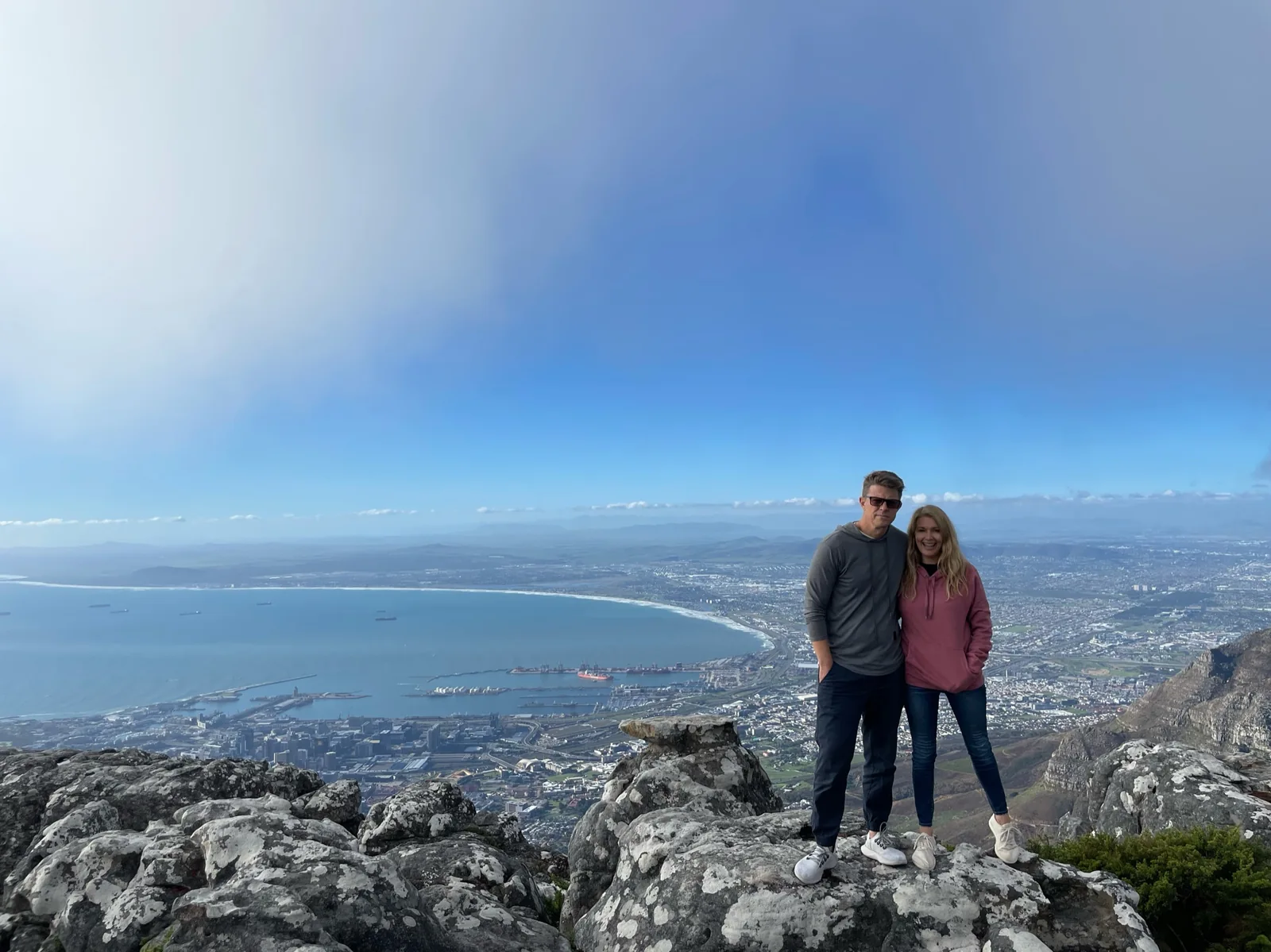
Together on Table Mountain.
LET’S GOTogether
Make time to look around.
◷
GIVE YOURSELF9 days · 8 nights
⌖
OUR MAIN BASECamps Bay · with a rental car
♡
SET ASIDE A FULL DAYPenguins + Cape Point + coast
↗
OUR HIGHLIGHTTandem paragliding
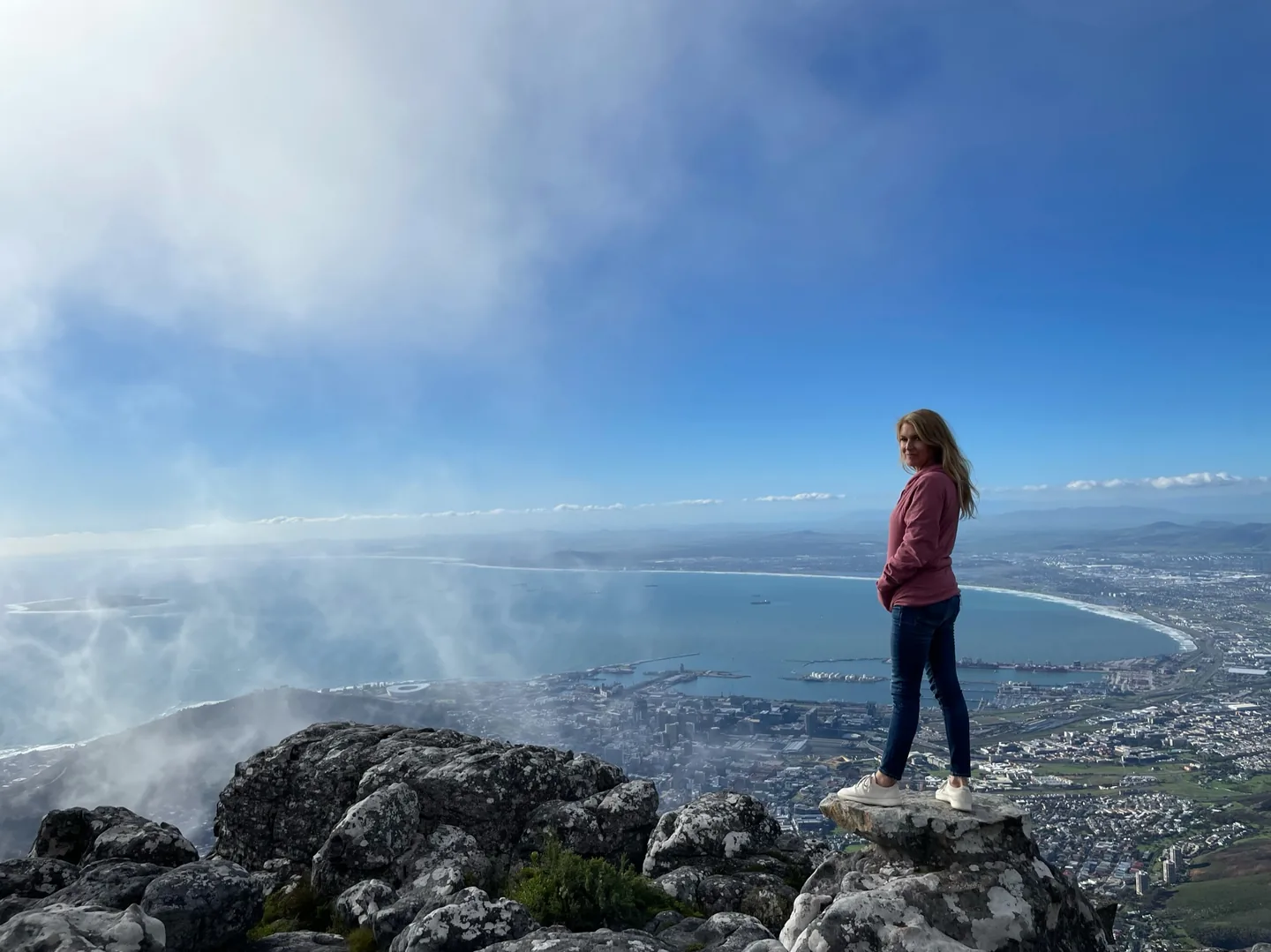
Alisha on Table Mountain, with Cape Town spread out below.
ALISHA & MATT’S CAPE TOWN
What we did. What we’d tell a friend.
Tandem paragliding was a major highlight. We also visited Table Mountain, Bo-Kaap and the Castle, drove the peninsula, saw the penguins, hiked Lion’s Head and rode bikes along the promenade. Cape Town gives you plenty to work with.
Our seal-snorkelling day was choppy, with poor visibility. Robben Island was closed, so we missed it; we would still include it in a first visit. You will find both the enthusiasm and the qualifications below.
This guide starts with our July trip and suggests how to fit the days together now. Practical details come from current visitor information. The ocean trips have changed; read Day 6 before booking.
Start with Table Mountain, a Cape Peninsula day and some time in the city. Paragliding was a major highlight for us. Add Lion’s Head if you enjoy a demanding hike, or an ocean outing if the sea appeals. You can have a full visit without doing every activity.
Let the weather help plan.
Use the first suitable clear day for Table Mountain. Book paragliding early enough to try again if it is cancelled, and leave room to move a Robben Island sailing. Fit the market to a Saturday or Sunday. Keep the day numbers flexible.
Choose the base and transport together.
We stayed in Camps Bay and had a rental car. That combination works well for the peninsula and evenings by the beach, provided you are comfortable driving on the left and have parking. If you prefer to leave the driving to someone else, arrange city transfers and book a driver or tour for the full peninsula day.
How many days do you need?
Our nine-day plan gives you seven full days between arrival and departure. With four full sightseeing days, keep the mountain and city, the peninsula, Robben Island and the Waterfront, then a day for paragliding or the coast. You will have fewer chances to recover weather cancellations. See the shorter visit →
UNPACK AND STAY A WHILE
A night in the city. A week in Camps Bay.
Make the peninsula, city and Waterfront your day outings. We spent the first night in a city hotel, then seven nights in Camps Bay. Go straight to Camps Bay if your arrival and accommodation allow it; the extra hotel move is optional.
WHERE YOU’LL SLEEP
AirportArrive
→
City hotelOur first night
→
Camps BaySeven nights
→
AirportHead home or onward
9 DAYS · 8 NIGHTS · DAY OUTINGS FROM CAMPS BAY
ON THE MAP
Get to know the shape of the place.
Get your bearings before setting out. The city stops are close together; the peninsula deserves a full outing. Select a place for the day plan.
Open a day for the route, timing and advice. Move the outdoor outings when the weather calls for it.
9 days · 8 nightsARRIVAL + SEVEN FULL DAYS + DEPARTURE
TAKE IT ONE DAY AT A TIME
DAY1
Settle in. Cape Town can wait until morning.
AIRPORT → CITY CENTRE OR CAMPS BAYArrival day+
After the flight, make your first Cape Town achievement a small one: get to your bed, find dinner and call it a day.
Our first stop: a practical city hotel
We spent our arrival night at Protea Hotel Cape Town North Wharf. Matt’s verdict is “functional.” For this stop, that is useful information: you need somewhere to recover before moving to Camps Bay.
Consider going straight to Camps Bay
Ask your main accommodation whether it can receive you at your arrival time. If it can, going straight there saves a hotel change. Keep the city night when it makes the arrival easier.
Sort out the transfer before you fly
For a late landing, arrange a transfer or use the airport’s authorised transport. We had a rental car during the trip. If you plan to collect yours on arrival, check the desk’s hours against your flight; collecting it the next morning may be simpler.
WHERE YOU’LL SLEEP Protea Hotel Cape Town North Wharf, or your Camps Bay accommodation.
DAY2
Take Cape Town in from above, then meet the city.
TABLE MOUNTAIN → BO-KAAP → CAMPS BAYA full day, including the hotel move+
When Table Mountain offers a clear view, take it. The mountain has considerable influence over this week’s schedule.
Morning: ride up Table Mountain
Head to the Lower Cableway Station on Tafelberg Road. Allow 2–3 hours for the cableway and a summit visit, plus any queues. At the top, take a short signed loop; the operator puts the Agama Walk at about 30 minutes. You can enjoy the view without spending the morning climbing to it.
After lunch: give Bo-Kaap more than a photo stop
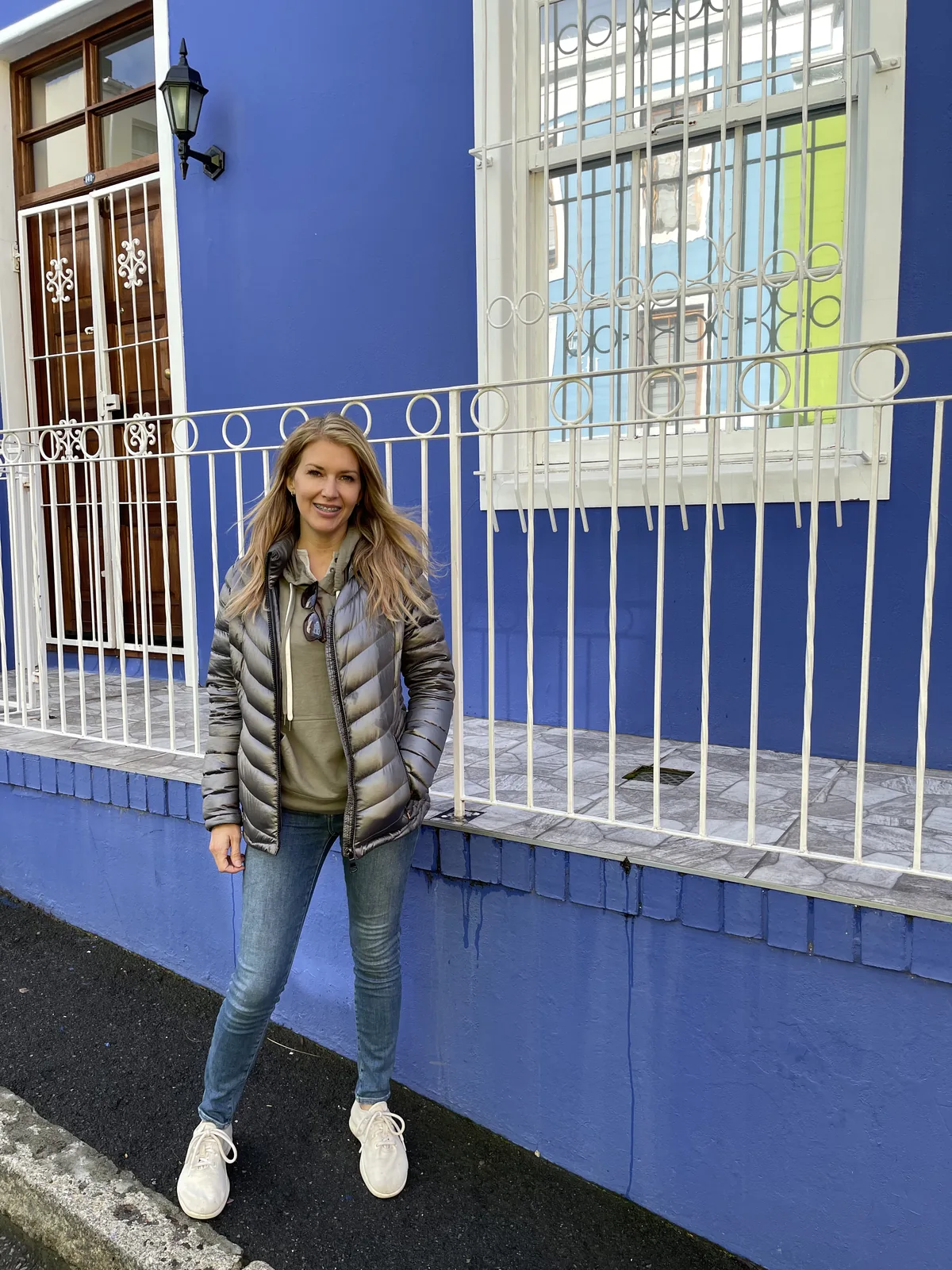
Allow 45–90 minutes around Wale Street and the Bo-Kaap Museum. The colourful houses belong to a living Cape Malay neighbourhood. Its Islamic heritage and history of slavery and emancipation deserve a little of your attention, too. A museum visit or local guided walk helps connect the streets to the people who made them.
History enthusiasts: save room for the Castle
We also visited the Castle of Good Hope, a 17th-century fort with museum collections. Give it 1–2 hours on Day 3 or Day 8. Today already includes the mountain, Bo-Kaap and a move to Camps Bay; the Castle will be more rewarding when you have time to look around.
Evening: make yourself at home in Camps Bay
Check in, pick up breakfast supplies and spend the evening near the beachfront. If the mountain is hidden in cloud, start with the city visits and try the cableway on the next suitable day.
WHERE YOU’LL SLEEP Camps Bay, the first of seven nights at the main base.
DAY3
Eat at the market. Fly over the city.
WOODSTOCK → SIGNAL HILL / LION’S HEADTwo flexible half-days+
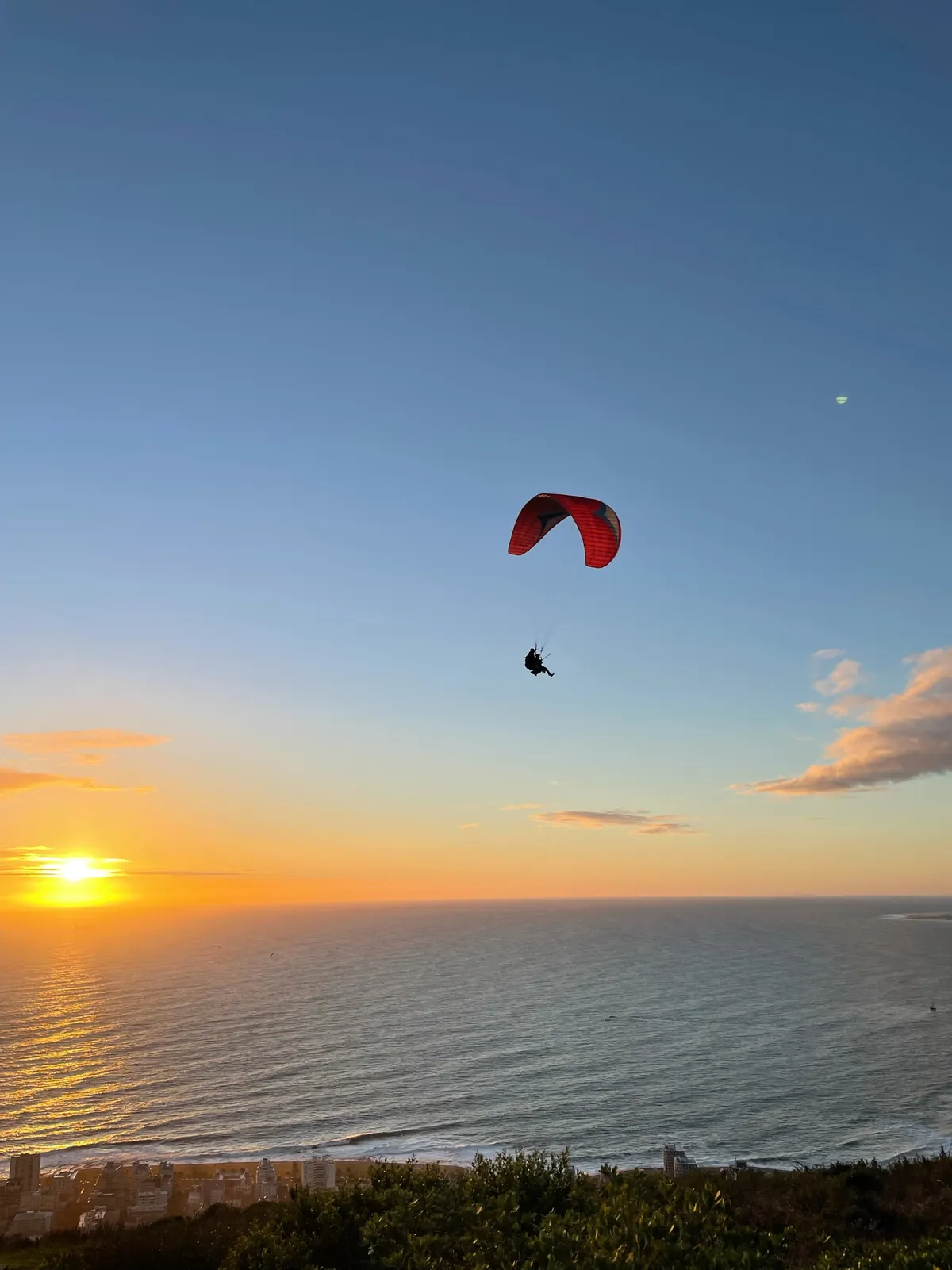
Tandem paragliding was a major highlight for us. Book it early in the stay, with another possible day in reserve if the wind has other plans.
Go to the market hungry
The Neighbourgoods Market at Woodstock’s Old Biscuit Mill is a good place to build lunch from the food stalls and do some browsing. It currently runs on Saturdays and Sundays. Move this visit to your weekend; on a weekday, use the time for the Castle or a city lunch.
Give paragliding a generous appointment window
You fly with a pilot, launching from Signal Hill or Lion’s Head according to the conditions. Fly Cape Town describes typical airtime of 7–20 minutes, without a guaranteed duration. Meeting, preparation, waiting and landing arrangements take additional time. Keep the operator’s whole appointment window free.
Let the pilot set the timetable
Once your appointment is confirmed, work lunch and transfers around it. The market and the flight fit the same day only when the timing cooperates. Ask about the take-off run, landing, participation requirements and cancellation policy before paying.
Finish with dinner nearby
Return to Camps Bay or eat near the landing area. After a flight over Cape Town, a quiet evening has plenty to recommend it.
BOULDERS → CAPE POINT → CAMPS BAYA full driving day: plan roughly 8–10 hours+
Give the Cape Peninsula a whole day. Start early with fuel, water and a modest list of stops: penguins, Cape Point and the coast are enough to fill it.
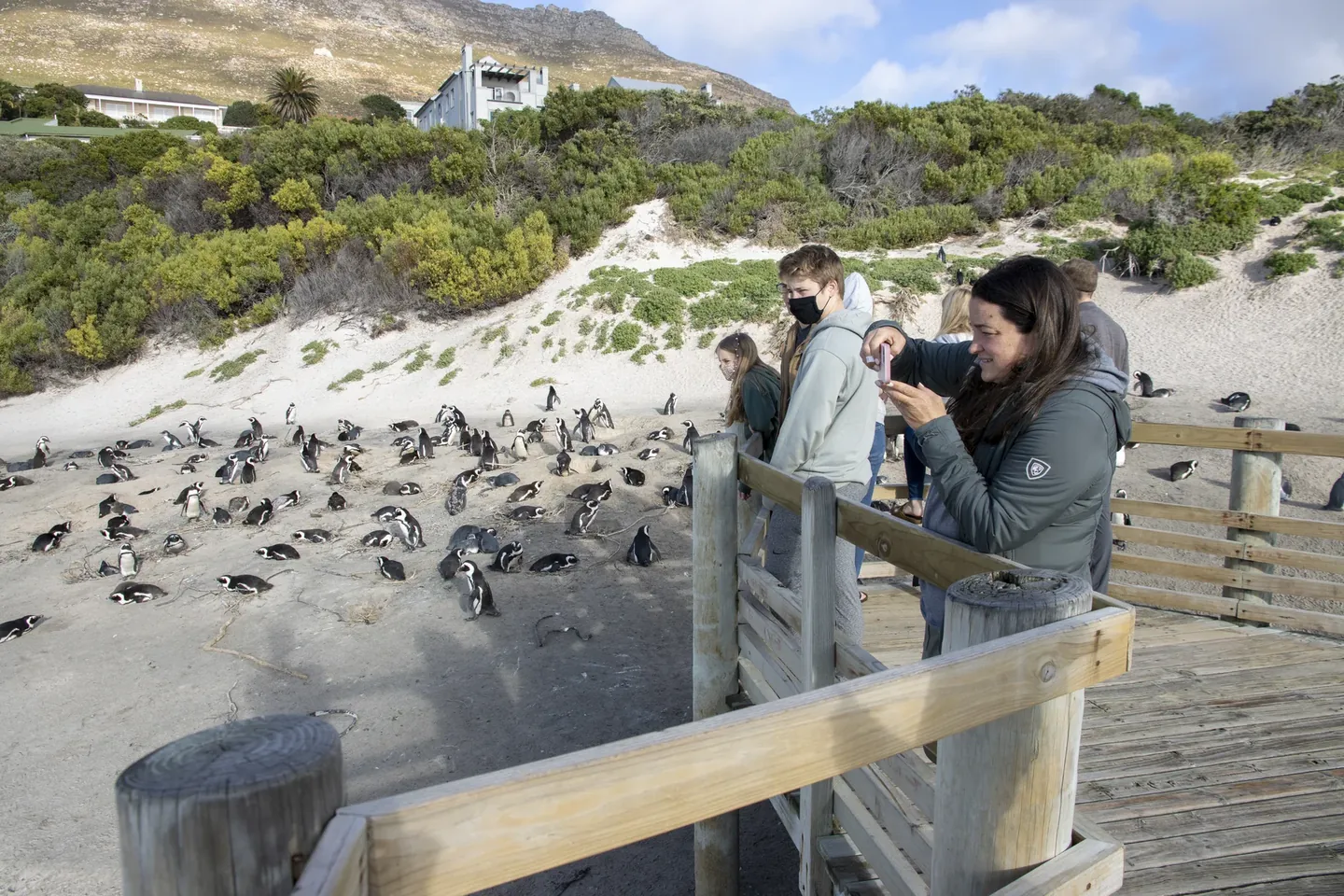
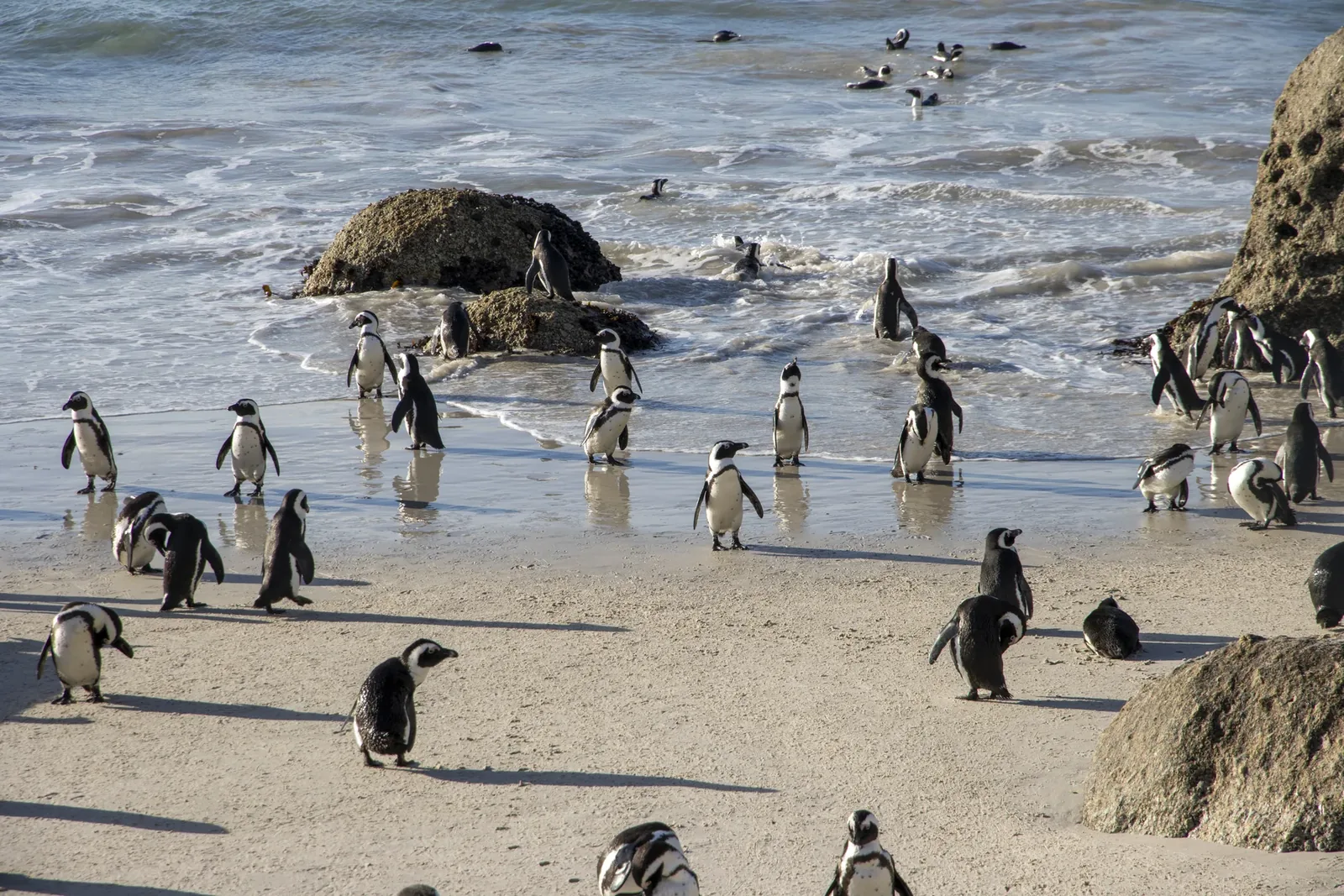
At Boulders, the boardwalk lets you watch while the penguins get on with their day.
Morning: head for Boulders
Allow roughly 60–90 minutes from Camps Bay to the Boulders area, checking live directions before leaving. Muizenberg can be an extra stop when time allows. In July, with less daylight, keep moving south and save the detour for another visit.
Spend 45–90 minutes with the penguins
Follow signs for the penguin visitor centre and viewing boardwalks. These paths put you close enough to watch the colony while giving the birds their space. Stay behind the barriers. Going onto the beach is a separate visit, subject to its own access and capacity limits; the boardwalks are the priority on this full-day loop.
Have an early lunch in Simon’s Town
Saveur, overlooking the harbour, is one option from our itinerary. Allow about an hour for a sit-down meal. If traffic or penguin watching has used up that time, pick something quicker. You still have the reserve ahead.
Afternoon: explore Cape Point and the Cape of Good Hope
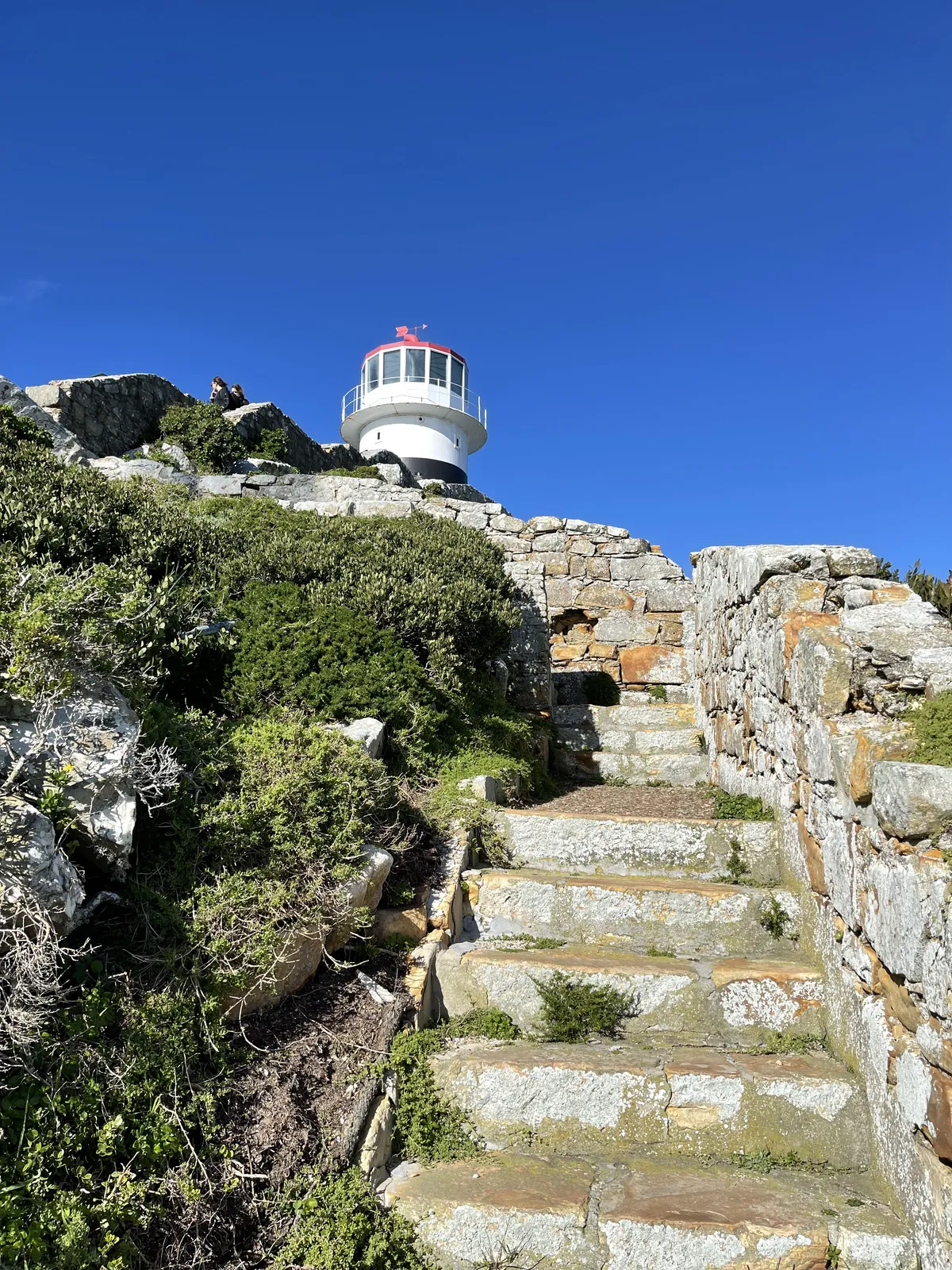
From the Boulders area, allow about 45–60 minutes to the Cape Point visitor area, including the reserve approach but excluding a long entrance queue. Set aside 2–3 hours inside. Cape Point’s lighthouse viewpoints and the Cape of Good Hope’s coastal viewpoint are separate stops, linked by roads within the reserve. Choose short viewpoint visits or add a walk to suit your energy. The funicular takes care of some uphill travel at Cape Point; walking and steps remain.
Come home along the coast, when the road is open
If Chapman’s Peak Drive is open and you have daylight, return through the western peninsula toward Noordhoek, over the toll road to Hout Bay, then along the coast to Camps Bay. Allow roughly 90–120 minutes from Cape Point before long photo stops. If the road is closed, follow current directions inland via the Fish Hoek / Ou Kaapse Weg side. Check the return before you need it.
The shorter version
For less driving, make Boulders and Simon’s Town the day’s outing and leave Cape Point for another day. On the full loop, cut extra villages, beach walks and a second Hout Bay stop first. Give the places you came for a little breathing room.
Take the route with you
Open these legs in Google Maps and review the current route. Check Chapman’s Peak before choosing the coastal return.
Use these times as planning allowances. Traffic, queues and your own pace will change them. In July, finish the scenic roads in daylight and check the reserve’s gate closing time before setting out.
WHERE YOU’LL SLEEP Camps Bay. Decide dinner after you know when you will get back.
DAY5
Make time for Robben Island’s history.
V&A WATERFRONT → ROBBEN ISLAND → WATERFRONTMost of the day, with an easy afternoon+
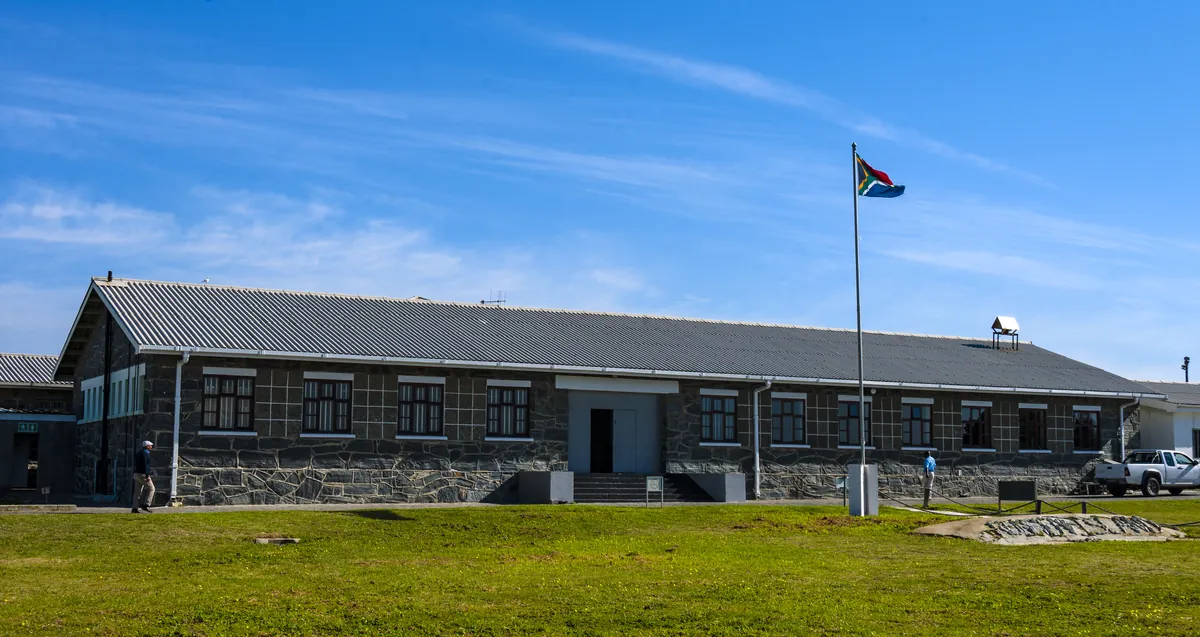
Robben Island was closed when we were here, so we cannot offer a firsthand tour review. We would still make room for it. Cape Town’s history deserves time alongside its views.
Know what you are booking
The museum’s standard tour combines the ferry, an island bus tour and a guided prison visit. It puts South Africa’s history of political imprisonment under apartheid into the places where it happened. Book through the museum and follow its visitor instructions.
Allow for the whole excursion
Ferries leave from the Nelson Mandela Gateway at the V&A Waterfront. Arrive at least 30 minutes before departure. The standard tour takes about 3½–4 hours; add your journey to the gateway and check-in time. Read the identification requirements on your booking.
Have lunch after the ferry returns
Keep your restaurant timing loose. Once you are back, find a Waterfront meal and take a harbour walk, or simply sit for a while. Leave yourself time to think about what you have seen.
If the weather cancels the sailing
Keep the island visit available for another day, subject to tickets. At the Waterfront, Zeitz MOCAA offers an indoor alternative if contemporary African art interests you. Check its visitor information, then make a day of that side of the city.
LION’S HEAD OR HOUT BAYOne main activity, then a slower afternoon+
A summit hike and an ocean outing each make a substantial day. Pick the one that appeals most, then allow a leisurely lunch afterwards.
For a proper hike: Lion’s Head
The reward is a succession of views across the city, mountain and Atlantic coast. Allow about 2½–3½ hours return, longer with frequent breaks. SANParks lists roughly 2 km each way and 1–1½ hours for the ascent. The upper route involves scrambling and chains. Take that description seriously when deciding whether it suits you.
Choose the version you will enjoy
Go in daylight with an appropriate group or local guide and follow current SANParks advice. If heights or scrambling would spoil the outing, take the cableway on a suitable day or choose the Sea Point walk. There are plenty of ways to see the coast.
For the sea: know what our experience was like
We went seal snorkelling. The water was choppy and visibility was poor, which limited what we could see. Conditions matter a great deal on this outing; our experience is a useful reminder to keep expectations flexible.
Check the changed ocean trips
Animal Ocean says its Duiker Island seal-snorkelling trips are suspended because of rabies risks in Cape fur seals. It now offers a four-hour ocean safari with seal viewing from the boat and optional guided kelp-forest snorkelling. We have not tried that replacement. Read the current trip details and conservation guidance, and avoid close contact with seals.
Afterwards, take a break
Have lunch and a rest after either outing. If you want a later Waterfront meal, The Silo is an option from our itinerary. Reserve the particular dining venue you want; rooftop access needs advance planning.
SEA POINT → MOUILLE POINTA relaxed half-day, longer with lunch+
Cape Town also rewards an afternoon with very little on the agenda. We rode bikes along the promenade; a walk works just as well when you want to stop often.
Start in Sea Point and see how far you feel like going
Follow the paved promenade toward Mouille Point. Choose a short out-and-back for an easy outing, or arrange return transport for a longer one-way walk. The ocean view is available whichever distance you choose.
Hiring bikes? Ask about the route first
Confirm the hire point, permitted riding route and current path rules with the shop. Rent for the section you want to cover. Wind, balance and busy paths may make walking the more pleasant choice that day.
Leave room for lunch
Eat in Sea Point or Mouille Point and give yourself time to sit. Green Point Park can extend the outing. Continue to the Waterfront if you feel like more exploring, with a return journey in mind.
Keep this day movable
A promenade outing is useful when a flight or mountain visit shifts. Finish with dinner on this side of the coast or head back to Camps Bay.
A POSTPONED OUTING OR CAMPS BAYA flexible final full day+
A free day is useful travel planning. By now, you will know whether it belongs to a postponed outing or a long breakfast in Camps Bay.
Catch the important thing you missed
Use a suitable opening for Table Mountain or paragliding; move Robben Island here if a sailing is available. Make the first attempt earlier in the week so today can be your second chance.
If the weather has cooperated
Visit the Castle if you saved it from Day 2, take another short coastal walk or enjoy Camps Bay. You could also do the other Day 6 activity, provided it is operating and you still have the appetite for it.
Have the last dinner close to home
Tiger’s Milk Camps Bay is a beachfront option from our itinerary. Choose an evening that leaves time to eat, pack and enjoy the place you have made your base.
Work backwards from your flight and your airline’s check-in requirements. The last morning is easier when the transport is already settled.
Keep the morning local
With a later flight, arrange luggage storage and have breakfast nearby. Choose something that leaves the airport plan comfortably intact.
Count the jobs around the drive
Check live traffic, then add time for fuel, car return and reaching the terminal. A map’s driving estimate covers only part of the journey.
Continuing to the Zambia safari?
Use our separate Zambia guide to plan that part of the trip and book the actual connections. Count a shared travel day once: this nine-day Cape Town plan already includes arrival and departure.
A little context makes a better visit. Here is what each place offers, how long to allow and where it fits in the week. Times are planning allowances; queues and your pace will vary.
START WITH THE BIG VIEW
Table Mountain
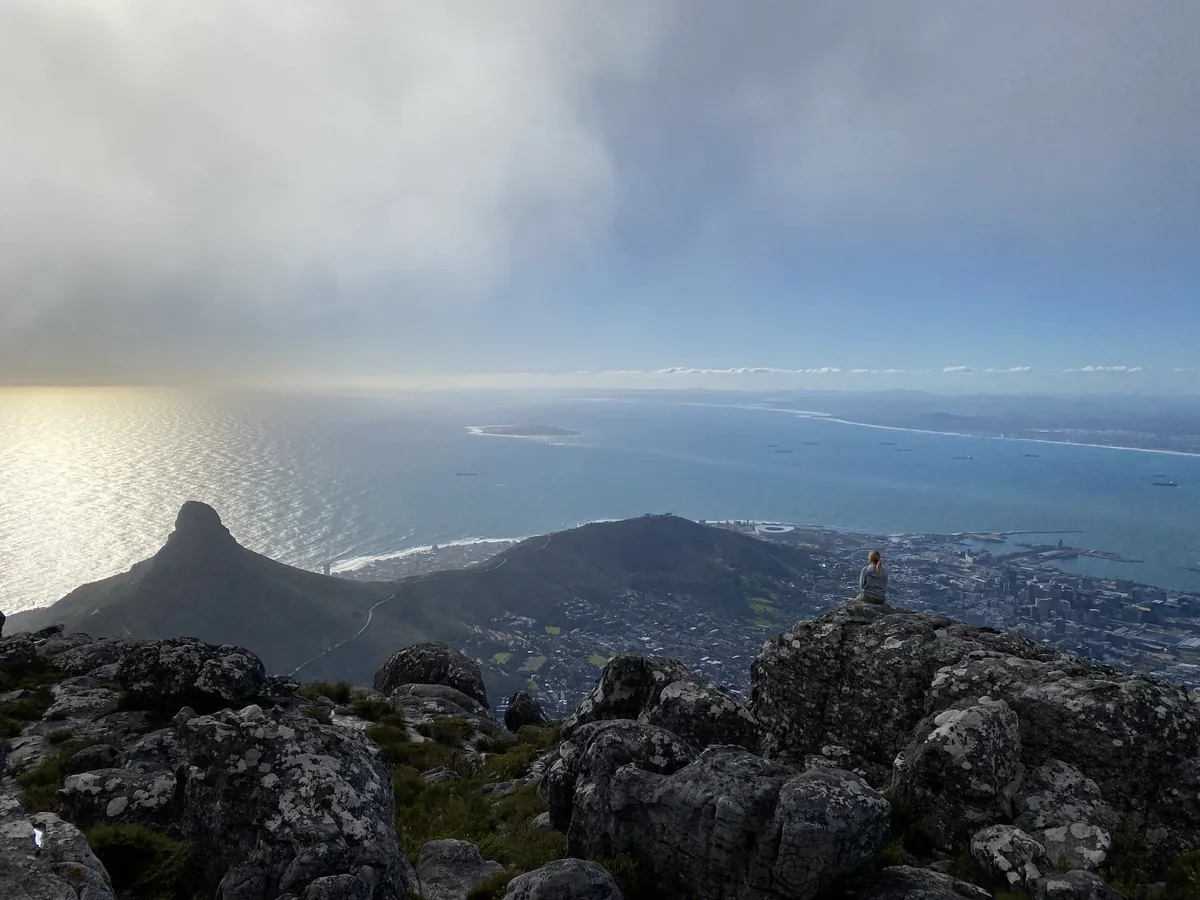
Start with the view that helps you understand the city: mountain, neighbourhoods and Atlantic coast spread out below. The cableway gets you up; a short summit walk lets you linger.
Plan your visit +
Allow. About 2–3 hours for the cableway and summit, plus queues.
On foot. Surfaces and steps vary. The operator puts the short Agama Walk at roughly 30 minutes.
For this plan, buy a return cableway ticket. Use the first clear operating window and choose a signed summit path that suits you. A hike up needs its own time and effort.
The colourful houses catch your eye. Spend a little longer and Bo-Kaap becomes a place to learn about Cape Malay life, faith and history.
Plan your visit +
Allow. About 45–90 minutes for a short visit; longer for a museum or guided walk.
Underfoot. Slopes and uneven cobbles. Choose this visit for the human story alongside the scenery.
Start around Wale Street and the Bo-Kaap Museum. A local guided walk or museum visit adds context. Stay on public streets and ask before photographing residents; this is somebody’s neighbourhood.
African penguins gather on the sand, pick their way among the rocks and head for the water. Give yourself time to watch from the designated boardwalks.
Plan your visit +
Allow. About 45–90 minutes for colony viewing, before any separate beach visit.
Visiting well. Use designated paths, give the birds space and follow the current colony restrictions.
Make colony viewing the priority on the full peninsula day. Add a separate beach visit only when you have the time and access allows it.
Cliffs, ocean and fynbos make this a place to slow down. Visit Cape Point’s lighthouse viewpoints, then take the separate road to the Cape of Good Hope’s coastal viewpoint.
Plan your visit +
Allow. Around 2–3 hours in the reserve for focused viewpoint visits; more for longer walks.
Short on time. Do Boulders and Simon’s Town as a shorter outing and save Cape Point for another day.
The funicular eases the uphill approach at Cape Point, with some walking and steps remaining. And keep the geography straight: Africa’s southernmost tip is Cape Agulhas, a different destination.
Follow the penguins with an afternoon in the reserve.
This was a major highlight for us: taking to the air with a pilot above the city, with the mountain and Atlantic coastline around us.
Plan your visit +
Allow. The operator’s whole appointment window, including preparation, waiting and landing arrangements.
Ask before paying. What the take-off run and landing involve, who can participate, and what happens if the weather cancels the flight.
Book early in your stay and keep some flexibility. Wind determines the launch site and affects airtime; preparation and waiting can make the appointment much longer than the flight.
A visit to the former prison brings the history of political imprisonment and the struggle against apartheid into focus. The standard tour includes the ferry, an island tour and a guided prison visit.
Plan your visit +
Allow. About 3½–4 hours for the standard tour, plus your transfer and at least 30 minutes for check-in.
Plan ahead. Book through the museum and leave another possible day for weather-related changes.
We missed it because it was closed during our stay. We would still include it, with the understanding that the visitor details here come from the museum and we cannot offer a firsthand tour review.
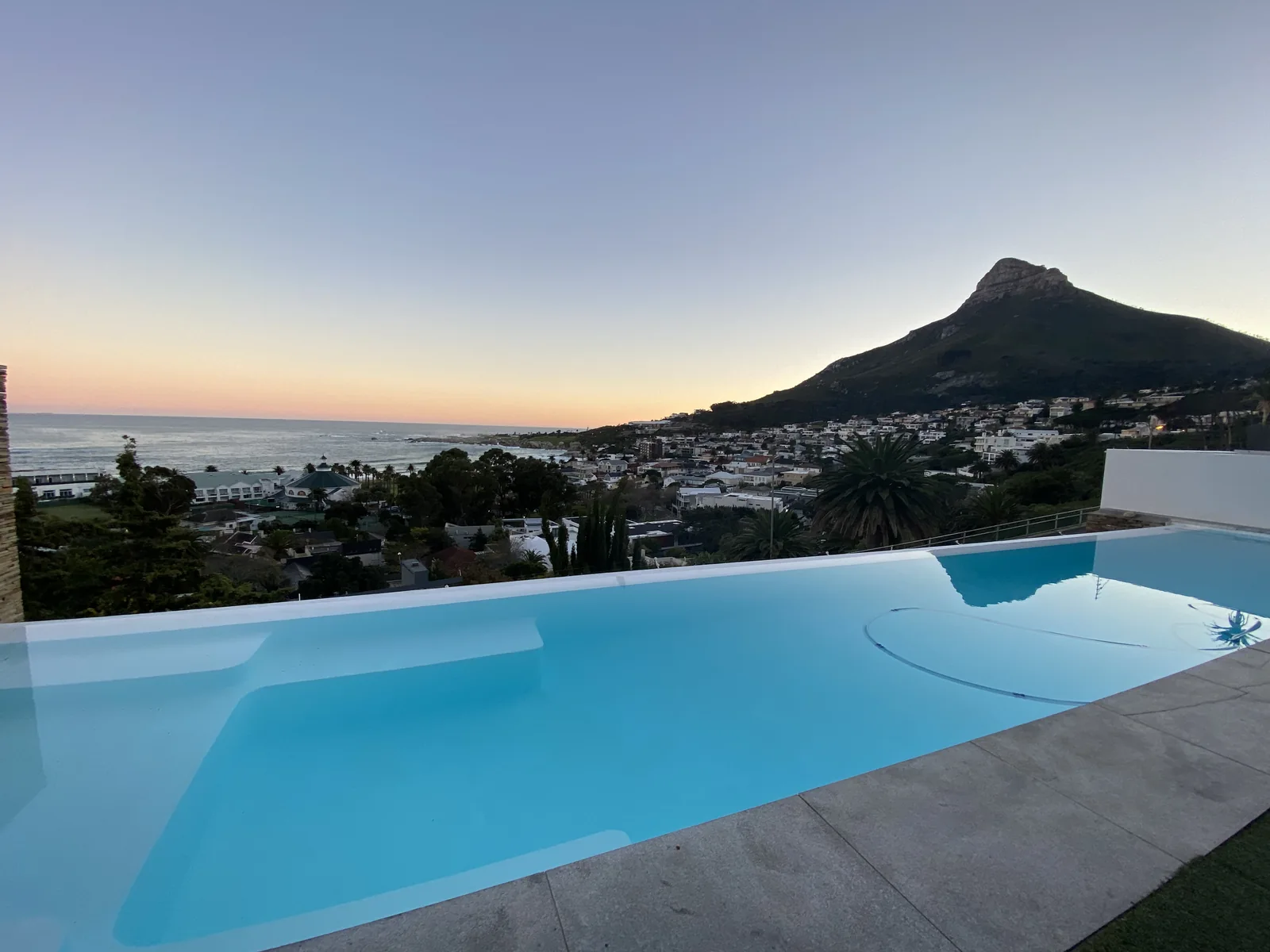
Evening at our Camps Bay base, with Lion’s Head beyond.
Camps Bay gives you a beach to come home to. The Atlantic spreads out in front, the mountains rise behind, and the restaurant strip keeps dinner close at hand.
Make it your base for days out in the city and down the peninsula, then come back for a walk by the water and an unhurried evening. We would stay here again. On our trip, we used a rental and had a car.
The address matters. Up the hillside, a sea view can come with a steep walk home from dinner. For an easier evening on foot, check the actual route to Victoria Road before booking. Ask about parking, stairs and winter heating, too. Choose a place that suits how you want to spend the week.
Functional, in Matt’s words. Consider it when a city arrival night makes your journey easier. If your Camps Bay place can welcome you straight away, save yourself the move.
Sea Point puts promenade walks into daily life. The Waterfront brings you closer to the ferry gateway, harbour restaurants and museums. Compare them with Camps Bay according to how you want to spend the evenings. These are neighbourhood alternatives; we are reviewing our Camps Bay stay.
A well-placed meal saves another journey across town. These three names came from our itinerary; check the current menu and choose the one that suits your day.
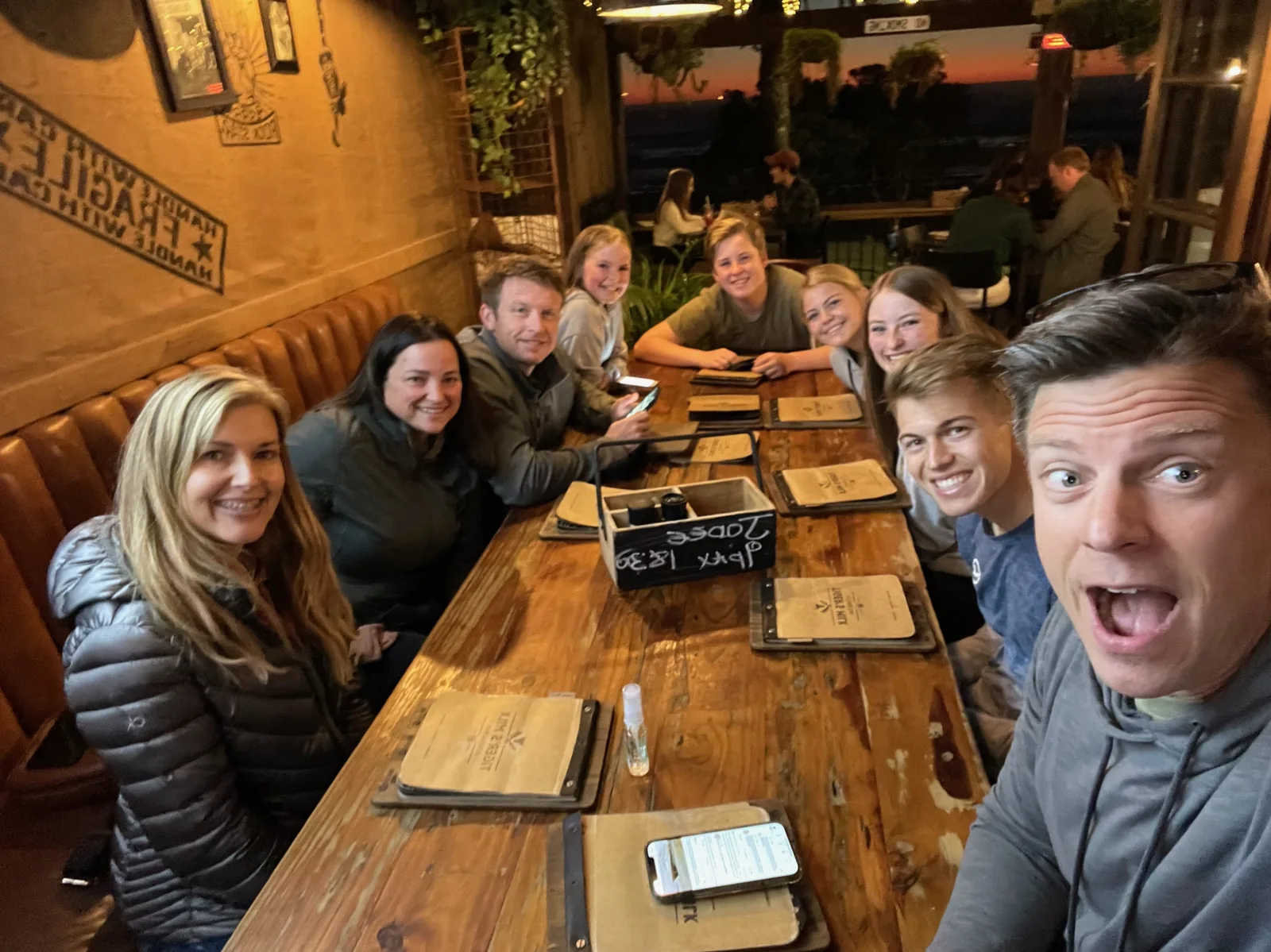
Dinner together at Tiger’s Milk during our Cape Town trip.
AFTER THE PENGUINS
Saveur, Simon’s Town
A harbour view, with seafood, grill and vegetarian choices. It fits an early lunch around Boulders. Give a sit-down meal about an hour; choose something quicker if Cape Point time is getting short.
The rooftop offers views and light meals; the hotel also has other dining venues. Decide which experience you want and reserve it. Prior dining reservations are required, and the weather gets a say in rooftop access.
A casual restaurant and bar by the beachfront. Keep it in mind for an evening when dinner close to your accommodation sounds especially good. Check the menu, then leave the car parked if the walk suits your location.
Start with your bed and transport. Check parking before hiring a car. For a peninsula driver, book the whole day; getting home should be part of the arrangement.
Reserve Robben Island through the museum. Choose a sailing, read the visitor requirements and allow for the whole excursion, including check-in.
Leave room around adventure bookings. Confirm the paragliding or ocean-trip meeting point, full appointment window and weather cancellation terms. Keep another possible day in reserve.
Check the cableway before committing. Read the ticket options, operating status and annual maintenance notices. During your stay, take the first suitable clear opportunity.
Budget for the pieces. The cableway, Robben Island, penguin colony and Cape Point reserve each have their own tickets or entry arrangements. Add the optional funicular and adventure bookings if you want them. Driving adds fuel, parking and potentially the Chapman’s Peak toll. Compare the total with a driver or tour, and use the official links for current prices in your visitor category.
Summer falls in December–February; July is winter. These average daily highs and lows help you pack and choose a season.
Average daily highAverage daily low°F
81°62°
Jan
81°62°
Feb
79°59°
Mar
74°54°
Apr
69°50°
May
65°47°
Jun
64°45°
JulOUR VISIT
64°46°
Aug
67°49°
Sep
72°53°
Oct
75°56°
Nov
78°60°
Dec
Warmest days: January–February. Plan outdoor days with sun protection and leave room for wind-related changes.
Cooler, wetter winter: June–August. For a July visit like ours, pack layers and keep mountain plans flexible. A good coat earns its space in the suitcase.
Between seasons. March–May and September–November sit between the summer warmth and winter lows. Keep a layer handy for evenings.
1991–2020 climate averages for Cape Town International Airport, WMO station 68816. Coastal and mountain conditions differ. These are averages, not a forecast or record extremes. South African Weather Service / WMO data, via NOAA ↗
View the monthly figures+
Average daily high / low
Month
°F
°C
January
81° / 62°
27° / 16.6°
February
81° / 62°
27.3° / 16.5°
March
79° / 59°
26° / 15°
April
74° / 54°
23.6° / 12.2°
May
69° / 50°
20.6° / 10.2°
June
65° / 47°
18.2° / 8.1°
July
64° / 45°
17.9° / 7.4°
August
64° / 46°
18° / 7.9°
September
67° / 49°
19.6° / 9.4°
October
72° / 53°
22.2° / 11.5°
November
75° / 56°
23.7° / 13.4°
December
78° / 60°
25.8° / 15.6°
TRAVEL AT YOUR OWN PACE
A few things to know before setting out.
July means winter.
Our visit was in July. Bring layers, allow for shorter daylight and keep an indoor option in mind. Put the long peninsula drive on a suitable day and finish the scenic roads before dark. Summer visitors can follow the same plan with more daylight and different opening times.
Choose your walking carefully.
A short promenade stroll, the penguin boardwalks and Lion’s Head ask very different things of your legs. The hike involves scrambling; Cape Point’s funicular leaves some walking and steps. For specific mobility needs, ask each venue about your intended route.
Make local advice part of the plan.
Arrange transport for unfamiliar after-dark journeys. On mountain outings, follow current SANParks advice and choose an appropriate group or guide. Keep bags out of sight in the car, including during photo stops.
Keep four full sightseeing days between arrival and departure: the mountain and city; the peninsula; Robben Island and the Waterfront; then paragliding or the coast. Drop the separate market, hike and rest days first. Keep the mountain day movable. A shorter stay gives you fewer chances to recover cancelled outings.
Should we hire a car?+
We did, and it worked well with Camps Bay. Hire one if you are comfortable driving on the left and have parking. You can also use this guide with arranged transfers, e-hailing and a booked peninsula excursion. Add up car hire and parking, then compare them with the trips and transfers you would otherwise buy.
Can we enjoy Cape Town without the hikes?+
Absolutely. Take the cableway when it is running, watch the penguins from the viewing paths, choose Cape Point stops that suit your pace and walk a short section of the promenade. Leave Lion’s Head out. For mobility requirements, check the exact route with the venue; lifts and cableways cover only part of some visits.
Did you take the Robben Island tour?+
No. It was closed during our visit. We would still include it, and have used the museum’s current tour and visitor information for this guide. Our recommendation comes with that clear limit: we cannot review a tour we did not take.
Is the same seal-snorkelling trip still available?+
Check before booking. Animal Ocean has suspended its Duiker Island seal-snorkelling trips. Its replacement is an ocean safari with optional kelp snorkelling and seal viewing from the boat. We have not taken that tour. Read the current trip description and CapeNature’s seal guidance before choosing.
Can we take this plan with us?+
Use Save this trip to mark it in this browser. Print this itinerary opens all nine days for printing; choose your device’s PDF option to keep a copy. Check bookings and road conditions again when you travel.
KEEP EXPLORING, TOGETHER
Where shall we go next?
Follow along for more places we have been and ideas to help plan your own visit.